
Understand the Jeep Recall Fire Risk: Everything You Need to Know
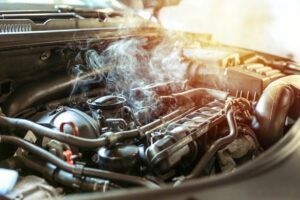
If you own a Jeep Wrangler 4xe or Grand Cherokee 4xe, you need to know about a serious fire risk that’s affecting over 320,000 vehicles nationwide. Stellantis has issued the latest in a series of recalls addressing fire risk in the same battery system, and this time, some of the fires occurred in vehicles that had already been “fixed” under previous recalls.
In this article, we’ll explain which models are affected, what’s causing these fires, the current status of repairs, and your legal options if your vehicle has been recalled multiple times for the same issue.
Table of Contents
- What is the Current Jeep Fire Risk Recall?
- What Causes Jeeps to Catch Fire?
- Actions You Can Take If Your Jeep Is Recalled
- Your Legal Rights and Options
- How to get legal help
- Other Jeep Issues
- FAQ
What is the Current Jeep Fire Risk Recall?
Stellantis is recalling over 320,000 Jeep Wrangler 4xe and Grand Cherokee 4xe plug-in hybrid models (2020-2025 Wrangler, 2022-2026 Grand Cherokee) due to defective battery cells that can catch fire while parked or driving. This is the third recall since 2023 for fire risks from the same battery system, and previous software fixes have proven ineffective. Additionally, a separate November 2025 recall affects 112,859 newer 4xe models due to leftover sand in engine blocks that can cause engine fires. No proven long-term fix has been validated in real-world use as of December 2025.
Reasons Behind the Jeep EV Recall
The primary issue involves the high-voltage lithium-ion battery packs manufactured by Samsung SDI. In certain battery cells, the internal separator (a thin layer that keeps the positive and negative components apart) becomes damaged. When this fails, the anode and cathode can make direct contact, creating a short circuit inside the cell.
This generates excessive heat, which can spread to adjacent cells, creating a cascading failure throughout the battery pack. The result is a fire that can occur whether the vehicle is parked, charging, or being driven.
Stellantis estimates that up to approximately 5% of the recalled vehicles, approximately 16,000 units, may have the defective battery cells. The problem is that there’s no reliable way for owners to know if their specific vehicle is affected until the battery fails, which is why the recall applies to all vehicles with batteries from the suspect production batches.
There’s also an engine-related recall with a different cause. During the engine block casting process, the sand used in the molds wasn’t properly cleaned out before assembly. This leftover sand remains trapped inside the engine, and as the engine runs, it circulates through the oil system. Over time, this causes internal damage and overheating, which can create conditions for an engine compartment fire.
Fire Risk Details
The battery fires can occur whether the vehicle is parked and turned off, charging, or driving. The risk is higher when the battery is fully charged, which is why Stellantis is telling owners to stop charging entirely and let the battery deplete.
For engine-related fires, warning signs may include knocking noises or a check engine light, though catastrophic failure can happen without warning.
NHTSA has issued a “park outside” safety advisory recommending owners to park away from buildings and other vehicles until repairs are completed.
What models are affected by Jeep fires?
Battery Fire Recall (NHTSA Campaign 25V-741):
- 2020-2025 Jeep Wrangler 4xe (all trims): 228,221 vehicles
- 2022-2026 Jeep Grand Cherokee 4xe (all trims): 91,844 vehicles
Engine Fire Recall (NHTSA Campaign 25V-766):
- 2024-2025 Jeep Wrangler 4xe (all trims) – 76,019 vehicles
- 2023-2025 Jeep Grand Cherokee 4xe (all trims) – 36,840 vehicles
Some vehicles fall under both recalls. All affected vehicles are plug-in hybrid (4xe) models only.
Status of The Fix
As of mid-December 2025, Stellantis announced that a battery fire recall remedy should be available by the end of December. The fix is a software update to the battery pack control module that detects separator damage. If a fault is detected, the system will display a check engine light and disable charging, then the battery will be replaced at no cost.
This is the third attempt at fixing the same battery issue. Previous software updates in 2023 and 2024 failed to prevent fires.
For the engine recall, no fix is available yet. Jeep is still developing a remedy and will send interim notices between December 29-31, 2025. The fix will likely require significant engine work or complete replacement.
What Causes Jeeps to Catch Fire?
Jeep fires stem from multiple causes depending on the model and powertrain. The most common fire risks in Jeep vehicles include:
- High-Voltage Battery Defects (Plug-in Hybrid Models): The Samsung SDI-manufactured lithium-ion battery cells in 4xe models contain damaged separators that allow internal short circuits. When the separator fails, the battery’s anode and cathode make contact, generating excessive heat that leads to thermal runaway and fire—even when the vehicle is parked and turned off. This issue is at the heart of the current Jeep 4xe fire recall and hybrid Jeep recall.
- Engine Casting Contamination (Newer 4xe Models): Leftover sand from the engine block casting process circulates through the engine’s oil system, causing internal damage, overheating, and potential engine compartment fires. This manufacturing defect affects 2023-2025 Grand Cherokee 4xe and 2024-2025 Wrangler 4xe models and is part of a separate Jeep PHEV recall.
- Power Steering Pump Electrical Connectors: Faulty electrical connectors in the power steering pump can cause underhood fires, particularly in 2021-2023 Wrangler and Gladiator models. These fires typically originate on the passenger side of the engine compartment and can occur even when the vehicle is turned off.
- Fuel System Issues (Older Models): Certain 1993-2007 Jeep Grand Cherokee and Liberty models had poorly positioned plastic fuel tanks behind the rear axle that were vulnerable to rupture in rear-end collisions, leading to fuel-fed fires.
Actions You Can Take If Your Jeep Is Recalled
If you own a Jeep 4xe, you need to act now. While waiting for a permanent fix, there are clear steps you can take to verify your vehicle’s recall status and reduce fire risk until repairs are completed.
How to Verify if Your Vehicle is Affected
Check whether your vehicle is included in these recalls by entering your 17-character Vehicle Identification Number (VIN) into either of these free lookup tools:
- NHTSA Recall Lookup: Visit nhtsa.gov/recalls and enter your VIN to see all active recalls for your vehicle.
- Jeep Recall Lookup: Go to recalls.mopar.com to check specifically for Jeep recalls.
Your VIN is located on your vehicle registration, insurance card, or on the lower corner of your windshield on the driver’s side.
Immediate Actions to Ensure Safety
Until your vehicle receives the recall repair, follow these precautions:
- Park outdoors and away from structures: Keep your vehicle at least 50 feet from buildings, garages, and other vehicles.
- Stop charging immediately: Do not plug in your vehicle to charge the battery.
- Let the battery deplete: Drive in hybrid mode only and allow the electric battery charge to drain naturally.
- Watch for warning signs: Be alert for knocking noises from the engine, check engine lights, or “Service Hybrid System” messages.
Contact the Manufacturer
Reach out to Jeep to confirm your vehicle’s recall status and ask about repair timelines. Have your VIN ready along with your current mileage and documentation of any previous recall repairs.
Call Jeep customer service at 800-853-1403 to:
- Verify your vehicle is included in the Jeep Wrangler fire recall or the Grand Cherokee recall
- Ask when repair parts will be available
- Request a loaner vehicle or rental reimbursement
- Inquire about the $100 gift card program for fuel costs that has appeared in some communications
- Report any incidents related to Jeep 4xe fires or warning signs
Your local Jeep dealership can also provide information about the Jeep on fire recalls. Document all conversations with dates, names, and what you were told, this may be important if you need to pursue legal options later.
Your Legal Rights and Options
If your Jeep has been recalled multiple times for the same issue or continues to have problems after repairs, Lemon Law may provide you with legal recourse.
- Understanding Lemon Law Provisions: Lemon Laws protect consumers who purchase or lease defective vehicles that cannot be repaired after a reasonable number of attempts. If your Jeep 4xe qualifies, you may be entitled to a vehicle replacement, buyback, or cash settlement.
- Benefits of Legal Representation for Recalled Vehicles: Having an attorney handle your Lemon Law claim means having a stronger negotiating position with manufacturers, proper documentation of all repair attempts and recalls, faster resolution times, and protection from manufacturer delay tactics or inadequate settlement offers.
How Timothy Abeel & Associates Can Help
If your Jeep has been recalled multiple times or continues to have fire-related issues despite repairs, we can help you pursue a Lemon Law claim. We’ve successfully handled thousands of cases and work on a contingency basis, so you pay nothing out of pocket. The manufacturer covers our fees if your claim succeeds.
We handle all negotiations with Stellantis, document your repair history, and work to secure a replacement vehicle, buyback, or cash settlement on your behalf. Our focus is on resolving your case quickly so you’re not stuck with a defective vehicle.
Time is of the essence. As your vehicle gets older and accumulates more miles, leverage is lost and the case becomes harder to achieve a satisfactory result. Contact us today for a free case review.
Other Jeep Issues
While the Jeep recall fire risk is the most urgent safety concern, Jeep owners have reported various other reliability and performance issues across different models. The 2.4 Jeep engine has faced criticism for oil consumption and timing chain problems, while the 2023 Jeep Renegade has experienced transmission issues and electrical faults. Diesel-powered models have their own set of challenges, as detailed in our article on Jeep Wrangler diesel problems.
The 2025 Jeep Wagoneer has also been reported to have reliability concerns, and many 2023 Jeep Grand Cherokee check engine light owners have experienced persistent issues. These recurring problems across multiple model lines contributed to Jeep being named America’s worst car brand in recent reliability surveys. The Jeep Grand Cherokee has particularly faced scrutiny for various defects over the years.
FAQ:Jeep Recall Fire Risk
Jeep plug-in hybrid 4xe models have experienced fire-related recalls, but standard gasoline Jeeps are not affected. As of the most recent NHTSA filings, Stellantis has reported 19 battery fires and 36 engine fires in 4xe vehicles out of over 320,000 recalled. The concern is that nine fires occurred after vehicles received previous recall fixes, indicating earlier solutions were ineffective.
As of December 2025, 19 confirmed fires stem from battery defects and 36 from engine contamination. These figures span three recalls since 2023, with some overlap as vehicles that received earlier fixes later caught fire.
Gasoline Wranglers may experience fires from fuel leaks or electrical faults. For Wrangler 4xe plug-in hybrids, fires result from damaged battery separators causing short circuits, or manufacturing sand left in engine blocks that leads to internal damage and overheating.